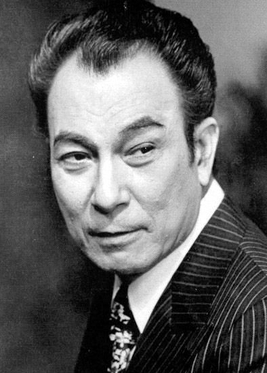
How Shih Kien Amassed Wealth: Film Roles, Investments & Legacy
In the annals of martial arts cinema, few names resonate with the gravitas and enduring menace of Shih Kien. Born Shek Wing-cheung on January 1, 1913, in Panyu District, this Hong Kong legend carved out an unforgettable legacy, primarily through his masterful portrayal of antagonists. Yet, beyond the iconic villainous roles that cemented his place in cinematic history, lies an intriguing story of financial acumen and strategic investments. Understanding the true scope of Shih Kien net worth involves delving into his extensive career, his astute financial decisions, and even untangling conflicting reports about his accumulated wealth.
Shih Kien, who passed away on June 3, 2009, at the remarkable age of 96, lived a life that spanned nearly a century of incredible change and opportunity. His journey from a sickly child to a martial arts master, and then to a screen villain with global recognition, offers valuable insights not only into the entertainment industry but also into smart wealth accumulation. While some reports have dramatically inflated his net worth to an astounding $1 billion, more conservative and recent estimates place it around $3 million, primarily accumulated through his prolific acting career, alongside strategic ventures in real estate and the stock market. This article aims to explore the multifaceted elements that contributed to his financial standing, offering a comprehensive look at how a legendary villain built his wealth.
From Humble Beginnings to Screen Legend: The Foundations of a Fortune
Shih Kien's path to stardom and financial stability was anything but conventional. Raised by his stepmother, his early life was marked by fragility and illness. This prompted a pivotal decision: to dedicate himself to martial arts for the sake of his health. For nine years, he rigorously trained, transforming his physical condition and acquiring skills that would later define his on-screen persona. His training at Shanghai's prestigious Chin Woo Athletic Association was particularly significant; he was among the first generation of students certified as instructors, mastering styles such as Eagle Claw and Choy Li Fut.
However, his aspirations were temporarily derailed by the outbreak of the Second Sino-Japanese War. Despite the turmoil, Shih Kien's innate resilience and entrepreneurial spirit eventually led him to the burgeoning world of cinema. Beginning in the 1940s, he emerged as one of the pioneering stars of Chinese-language wuxia and martial arts films. Unlike many protagonists, Shih Kien found his niche playing villains – a role he embraced and elevated to an art form. This early specialization, while perhaps typecasting, made him instantly recognizable and highly sought after, laying the groundwork for a career that would span over five decades and provide a steady income stream.
The Art of the Antagonist: Iconic Roles and Their Financial Impact
Shih Kien's distinctive look, powerful physique, and captivating on-screen presence made him the quintessential antagonist. His performances were not merely about fighting; they were about embodying evil with an unforgettable intensity. This unique brand of villainy became his trademark, setting him apart in a competitive industry and directly impacting his earning potential.
The role that would indelibly stamp his image into the minds of international audiences, however, came in 1973 with the global phenomenon *Enter the Dragon*. Starring opposite the legendary Bruce Lee, Shih Kien portrayed the enigmatic and sinister primary villain, Han. This film wasn't just a box-office success; it was a cultural touchstone that introduced martial arts cinema to a worldwide audience. For Shih Kien, it meant unprecedented international recognition and a significant boost to his career and, by extension, his earnings.
His portrayal of Han cemented his status as one of the most memorable villains in cinematic history. The film's enduring popularity ensured that royalty payments, residuals, and continued demand for his work, even in later years, would contribute to his long-term wealth. For more on his journey from cinematic villain to financial success, explore From Enter the Dragon Villain to Financial Success: Shih Kien's Story.
Throughout his extensive career, Shih Kien consistently delivered powerful performances across numerous film and television roles. This prolific output, coupled with his reputation as a reliable and charismatic actor, ensured a steady and substantial income, forming the bedrock of his financial portfolio.
Beyond the Screen: Shih Kien's Financial Acumen
While his acting career was undoubtedly the primary engine of his wealth, Shih Kien demonstrated an understanding of financial diversification that many artists unfortunately overlook. His ability to look beyond immediate earnings and plan for long-term growth sets him apart as an astute financial mind.
- Real Estate Investments: The reference context highlights his investments in real estate. Hong Kong, during Shih Kien's active years, experienced tremendous economic growth, leading to a booming property market. Strategic investments in real estate during such periods can yield substantial returns, offering both rental income and significant appreciation over time. For someone with consistent income from acting, channeling a portion into tangible assets like property is a classic wealth-building strategy. It provides a stable asset base that can withstand market fluctuations better than some other investment types.
- Stock Market Engagements: Similarly, his foray into the stock market indicates a desire to grow his capital. While the stock market carries inherent risks, a disciplined, long-term approach can be incredibly rewarding. For a public figure, having diverse investments helps create multiple income streams, safeguarding against the often unpredictable nature of the entertainment industry. It’s likely he employed a strategy of investing in established companies or funds, aiming for steady growth rather than speculative high-risk ventures, much like many successful long-term investors.
These ventures beyond his primary profession underscore a valuable lesson for anyone in a high-earning but potentially volatile career: diversify your income and build assets that work for you. By not solely relying on his acting income, Shih Kien created a more robust and sustainable financial future for himself and his family.
Unraveling the Net Worth Mystery: $1 Billion vs. $3 Million
Perhaps one of the most intriguing aspects of Shih Kien's financial legacy is the wide disparity in reported net worth figures. While some online sources have propagated a staggering estimate of $1 billion, more credible and recent assessments, such as those from Mabumbe in 2024, suggest a figure closer to $3 million. This significant discrepancy warrants closer examination.
Several factors could contribute to such differing estimations:
- Online Exaggeration and Misinformation: The internet is rife with speculative celebrity net worth figures, often generated without thorough verification. A $1 billion figure might be an extreme exaggeration, possibly a viral rumor that gained traction without factual backing.
- Valuation Methods and Timing: Net worth can be calculated in various ways. A higher estimate might include gross earnings over a lifetime without accounting for expenses, taxes, or market fluctuations. A more conservative estimate, like the $3 million, likely reflects a more realistic assessment of liquid assets and property value at or near the time of his passing, or as an updated estimate for 2024 based on known assets.
- Inflation and Currency Conversion: Over a long career spanning decades, the purchasing power of money changes drastically. Also, converting between different currencies (e.g., Hong Kong Dollars to US Dollars) at different historical rates can lead to wildly varied figures.
- Private vs. Public Information: The personal finances of most celebrities are private. Estimates are often based on publicly available information about salaries, film successes, and general market trends, which can be imprecise. The true extent of private investments, like real estate portfolios or diversified stock holdings, is rarely fully disclosed.
The Mabumbe estimate of $3 million, accrued primarily through his extensive acting career and supplemented by investments in real estate and the stock market, appears to be a more grounded and realistic figure, particularly when considering the typical earnings trajectory of even highly successful actors from his era. While $1 billion would place him among the wealthiest individuals globally, $3 million still represents a substantial and respectable fortune, especially given his humble beginnings and the challenges of a long career in entertainment.
For a deeper dive into this fascinating financial debate, you can explore Shih Kien Net Worth: Unraveling the $1 Billion vs. $3 Million Debate.
Legacy and Lasting Impact
Shih Kien's legacy transcends mere financial figures. He was a pioneer in Chinese-language wuxia and martial arts cinema, an actor whose dedication to his craft brought depth and memorability to countless villainous roles. His influence on the genre and his indelible portrayal of Han in *Enter the Dragon* continue to inspire filmmakers and actors alike.
His longevity in an intensely competitive industry, coupled with his strategic financial planning, speaks volumes about his character and foresight. Passing away at 96, he left behind not only a rich cinematic heritage but also a testament to the rewards of hard work, discipline (both physical and financial), and a keen understanding of both his craft and the broader world of investment.
Conclusion
Shih Kien's journey from a sickly child to a martial arts grandmaster and an iconic screen villain is a captivating narrative. His accumulation of wealth, reflected in his estimated Shih Kien net worth of around $3 million (a figure far more plausible than the often-cited $1 billion), was a direct result of his unparalleled acting talent, his prolific career spanning over five decades, and his astute investments in real estate and the stock market. His life serves as a powerful reminder that true wealth is not just about the numbers, but about the legacy one leaves behind—a legacy of unforgettable performances, pioneering martial arts prowess, and the wisdom of diversified financial planning.
